Table of Content
- Step-by-Step Procedure to Transform Regular Speakers into Bluetooth Speakers
- Channels
- Can I convert a wired speaker to Bluetooth?
- Using a Karaoke Machine in Your Home Theater
- How to Build a Wireless Home theater Circuit using Bluetooth Headset
- Common Problems Connecting a Microphone to a Home Theater
- See if Your Old Stereo Receiver Has an HT Bypass
Another kind of connection you might run into is speaker clips. Rather than a standard plug, speaker clips have spring-loaded terminals that accept bare wire. Just like banana plugs, speaker clips have separate positive and negative terminals. In general, you can get a good quality Bluetooth receiver for $10-30.
Some microphone will use Bluetooth, but even so, they’ll likely still have a base. Most AV receivers don’t have built-in audio equalizing for microphones, so you might need to adjust it separately from the master volume, particularly if you’re doing karaoke. Bluetooth is mostly intended for you to be able to connect personal devices together without headphone wires or other cables to bog you down. It’s most common for connecting to a car audio system, a portable speaker, or other audio devices you expect to be close by when using. Here are the steps required to make your wired speakers work with a wireless speaker conversion kit.
Step-by-Step Procedure to Transform Regular Speakers into Bluetooth Speakers
If you’re pursuing an entirely wireless home theater , you’ll probably consider adding Bluetooth to your receiver at some point. There are a lot of different Bluetooth receivers on the market. Not all of them are intended for home theater sound, so you need to know what you are looking for before you hit that order button.
Granted, you probably won’t need more, but Bluetooth is only capable of two-channel stereo sound. In the unlikely event that you want to broadcast 3.x or 5.x audio to your receiver, your sound will be compressed into two channels. There is no way to get 3.x audio or higher from a Bluetooth receiver. However, this requires that both the receiver you buy and the device you want to connect to it to have Bluetooth 5.
Channels
If you do not have Knowledge electronics, motherboard and circuits don’t try this tip on your speaker or home theater. Because if you do not have knowledge of that thing then you can spoil your theater too. You have to keep in mind that you have to see the range that what is the range of the USB adapter or Bluetooth receiver you are taking. Hook up the left channel to the positive terminal on one speaker and the right channel to the positive speaker of the other speaker. Then hook up one of each of the ground extensions to the negative terminal of each speaker. Strip off a small amount of the outer tubing to expose the two wires inside.

Breathe new life into wired speakers as part of an established wireless audio system. Use wired speakers with Chromecast for audio and Echo devices. Connect the audio outputs of a source device to the audio inputs of the wireless transmitter. Bluetooth connectivity to your home theater permits you to watch films on a cell phone, tablet, or laptop with the additional force of huge speaker sound. This is particularly useful for devices that have speakers that are not working accurately, have popped or muted sound, or are too little so that your gathering could hear around the room. Particularly with regards to connected present day gadgets to outer speakers.
Can I convert a wired speaker to Bluetooth?
If you have powered speakers, plug them in after turning on your Bluetooth receiver. Now is the best time to make sure your microphone is connected and your speakers are turned down. I’d recommend turning the volume down on both your home theater system and the karaoke machine in order to avoid any surprises. This generally makes things much easier, and means you can play DVDs and use the microphone at the same time. If you’re unsure, however, the easiest way to test is to play a music track.

Wall powered receivers are generally better for a home theater system. They might require you to extend your surge protector, but it’s worth it. Once you have it set up, there is practically no maintenance.
Problems such as volume, tinny sound, or voices that sound “empty” are often caused by plugging a microphone into a system that doesn’t have the right kind of mixer for this kind of audio. While some speaker systems will be good for dialogue, this will be as part of all other kinds of audio. This will generally depend on the equipment you’re using and how you connected your microphone. If you connected through the standard microphone input, there shouldn’t be any issues as you should just be able to use the microphone over whatever else is happening in your home theater.
While the method described above is the easiest way to connect a microphone, there are other ways around it. One thing worth considering, particularly if you’re only just starting your home theater, is how often you think you’ll be using a microphone. If the answer is a lot then it’ll definitely be worth investing in equipment designed for karaoke. This will allow you to select the input channel and play music from any device that can connect to Bluetooth.
Condenser microphones are more commonly used for studio recordings because of their sensitivity and audio quality. Almost all of your favorite music will have been recorded using condenser microphones. Condenser microphones are easily recognizable for their distinctive shape. While dynamic microphones are also a recognizable sight, once you know what each looks like you’ll have no difficulty telling them apart.
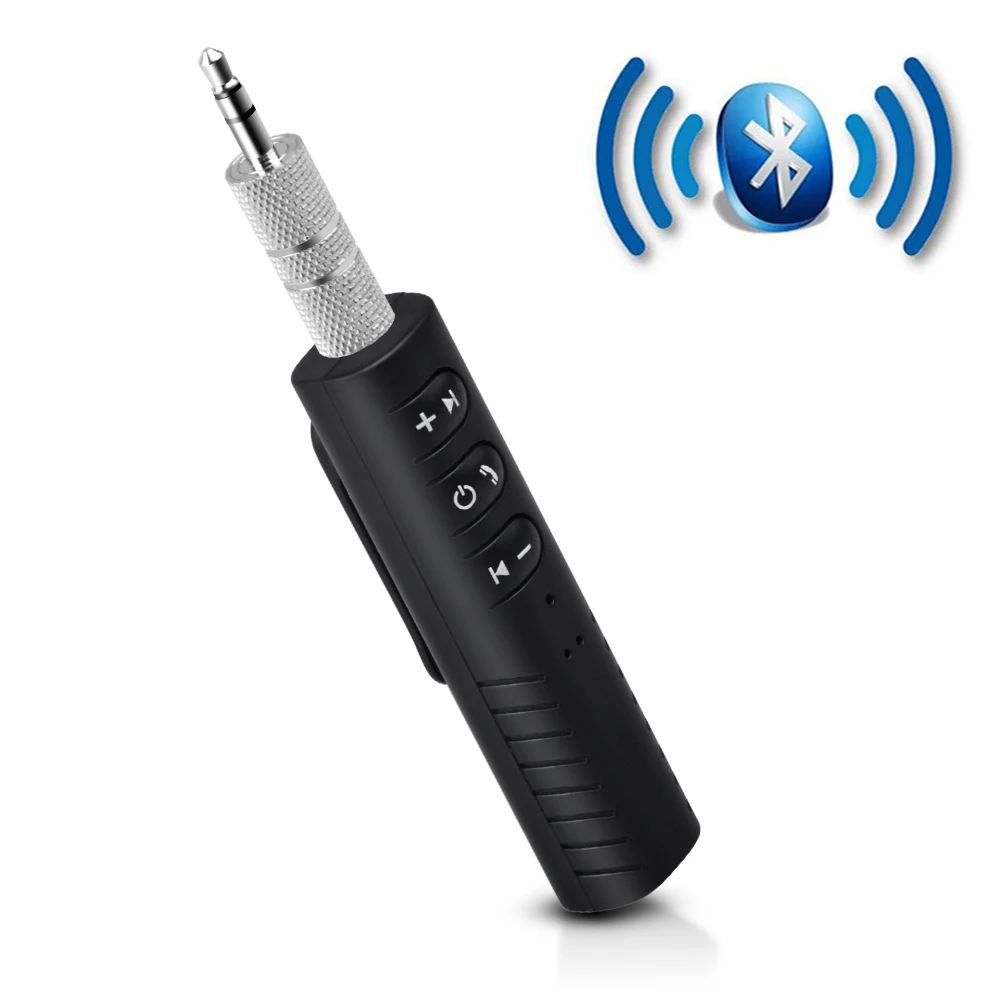
These steps apply to the sources discussed above and speakers used in Single or Mono, Stereo, Surround, or Zone 2 setups. The Echo Link Amp can also connect directly to wired speakers. Once you have connected your Bluetooth receiver to your speakers, you have finished the hard part. Now you will need to pair your device with the Bluetooth receiver.
Soundwaves make the diaphragm vibrate, which is then amplified by the wire coil and recorded. This is about the most straightforward way a microphone can work. Another piece of advice I can give that’s helpful in this situation is to try and keep the volume low on the karaoke machine and adjust it on your home theater speakers.
When the right code is inserted, your gadget ought to be effectively matched to your home theater framework. When that gadget disconnects from the Bluetooth, your home theater’s Bluetooth sign should show up as discoverable. So if you can do and understand electronics and circuits all these things. I have given information about some Bluetooth receiver boards below, you can buy any of these for yourself.
Technically, wireless speakers must connect to a Wi-Fi network, and they typically have their own power cord. Bluetooth speakers don't require Wi-Fi, and they are usually battery-powered. Connect the wired speakers to the wireless receiver with standard speaker wire. Use your wired speakers with dedicated wireless audio systems, such as Sonos, Yamaha MusicCast, Denon HEOS, and DTS Play-Fi. Well, well, well, you have read all about transforming the normal speakers into your favorite easy-to-use Bluetooth speakers.


No comments:
Post a Comment